


Spring Breeding Season Highlights the Importance of CNLM’s Bird Habitats
As spring arrives across California and the Pacific Northwest, migratory birds are returning to breeding grounds and resident species are beginning courtship and nesting activities. This seasonal surge in bird activity highlights the importance of protected landscapes that provide safe nesting habitat, abundant food, and intact ecological processes.
Several preserves managed by the Center for Natural Lands Management (CNLM) occur within landscapes recognized as Global or State Important Bird Areas (IBAs). During the spring breeding season, these areas support nesting raptors, grassland birds, riparian specialists, and colonial nesting species that depend on large, intact habitats.
The Important Bird Areas Program is a global conservation initiative developed by BirdLife International and implemented in the United States by the National Audubon Society. The program identifies sites that provide essential habitat for birds, including areas used for breeding, migration stopovers, or wintering, or locations that support significant populations of species of conservation concern.
IBAs are identified using science-based criteria and recognized at multiple priority levels. Global IBAs support bird populations of international conservation significance, while State Priority Bird Areas identify landscapes that are particularly important for sustaining bird populations within a state or region.
 Seven Global Important Bird Areas overlap with CNLM preserves in California. Due to the vulnerability of the species and their habitats on these preserves, the CNLM preserves described here are closed to general public access with the exception of Rancho La Costa. Additional information about each preserve, including access, is provided on the individual preserve webpage.
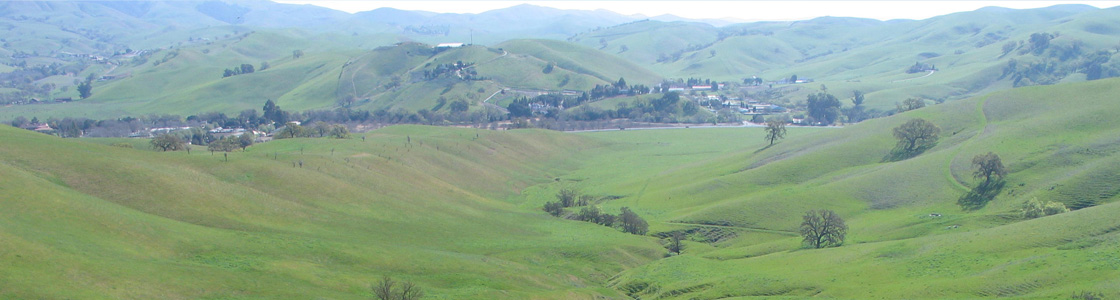
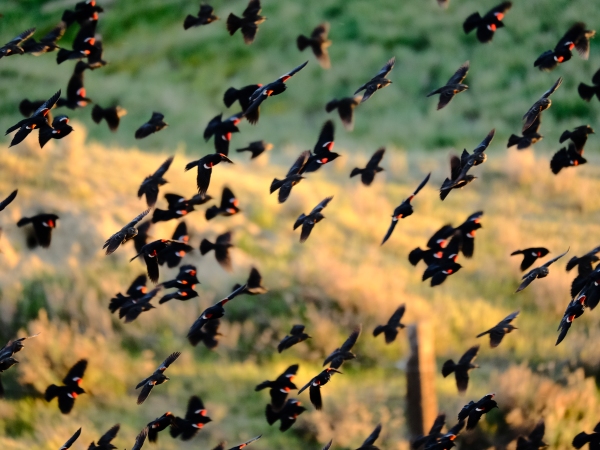
Panoche Valley IBA – The Panoche Valley Preserve in San Benito county occurs largely within the Panoche Valley Important Bird Area. This 26,400-acre preserve, owned and managed by CNLM, contains an expansive grassland landscape that supports numerous bird species, including the State and Federally endangered California condor (Gymnogyps californianus), golden eagle (Aquila chrysaetos), grasshopper sparrow (Ammodramus savannarum), short-eared owl (Asio flammeus), State candidate endangered burrowing owl (Athene cunicularia), ferruginous hawk (Buteo regalis), State threatened Swainson’s hawk (Buteo swainsoni), mountain plover (Anarhynchus montanus), northern harrier (Circus hudsonius), white-tailed kite (Elanus leucurus), and loggerhead shrike (Lanius ludovicianus). Panoche Creek Marsh supports one of the remaining large nesting colonies in California of the State threatened tricolored blackbird (Agelaius tricolor).
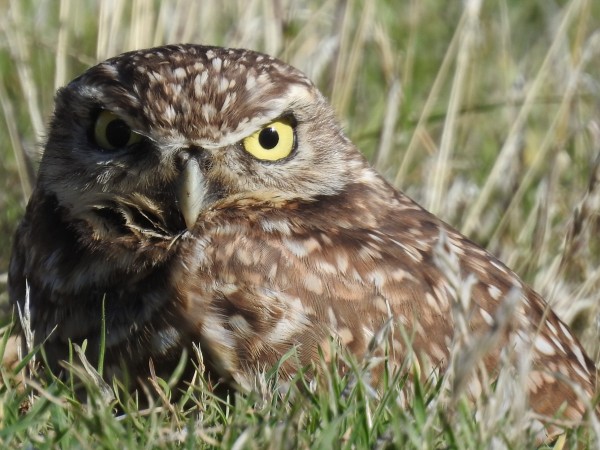 Sand Ridge – Tulare Lake Bed IBA– The Semitropic Ridge Preserve in Kern County occurs within this Important Bird Area, which includes habitats important for birds such as burrowing owl, Le Conte’s thrasher (Toxostoma lecontei), and tricolored blackbird.
Camp Pendleton IBA – Whelan Ranch Preserve and Morro Hills Preserve occur within the Camp Pendleton Important Bird Area in San Diego County. CNLM manages coastal sage scrub, grassland and riparian habitats that support diverse bird communities, including Coastal California gnatcatcher, grasshopper sparrows (Ammodramus savannarum), roadrunners (Geococcyx californianus), least Bell’s vireo, and yellow-breasted chat (Icteria virens).
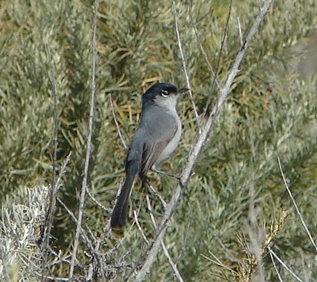 San Pasqual Valley – Lake Hodges IBA – Portions of the Rancho La Costa Preserve occur within this Important Bird Area in San Diego County. Riparian habitats and surrounding uplands provide for federally listed bird populations, including coastal California gnatcatcher and least Bell’s vireo. Public trails exist on some properties within the Preserve with specific restrictions to protect sensitive habitats and species.
North San Diego Lagoons IBA – A portion of Kelly Ranch Preserve occurs within the North San Diego Lagoons Important Bird Area due to its proximity to Agua Hedionda Lagoon. These coastal lagoons provide important habitat for migratory birds along Pacific Flyway and the upland habitat support species such as coastal California gnatcatcher.[/vc_column_text][/vc_column][/vc_row]
 Humboldt Bay IBA – The Eureka Dunes Preserve occurs within the Humboldt Bay Important Bird Area in Humboldt County. Humboldt Bay is one of the most significant coastal wetlands on the Pacific Flyway, supporting large numbers of migratory shorebirds and waterfowl.
Jepson Grasslands IBA – Campbell Ranch Preserve and portions of Burke Ranch Preserve occur within the Jepson Grasslands Important Bird Area in 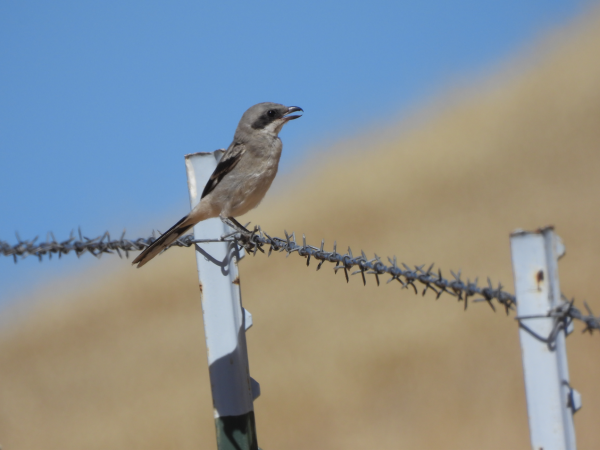 Solano County. This area contains one of the largest remaining complexes of native grasslands and seasonal wetlands in California’s Central Valley and supports diverse bird communities, including shorebirds, colonial nesting species such as tricolored blackbird, and grassland birds including loggerhead shrike, and western meadowlark (Sturnella neglecta).
An additional seven CNLM preserves overlap with State Important Bird Areas, which are landscapes identified by conservation partners as particularly important for bird conservation at the state level. Six are in California and one is in the State of Washington, all of which are closed to public access due to the sensitivity of the respective species and habitat on the preserves
- Mima Prairie Bird Area (Washington) – Black River Preserve
- Cosumnes River Watershed – Lower – George Dairy Preserve
- Sacramento – San Joaquin Delta – Medford Island and Pace Preserve
- Mount Hamilton Range – Patrick Connolly, Connolly Ranch, and Ohlone West
- Los Angeles Flood Control Basins – Montebello Hills Preserve
- Skinner Reservoir Area – Johnson, Lincoln, and Roripaugh Ranch Preserves
- Aguanga Area – Wilson Creek Preserve
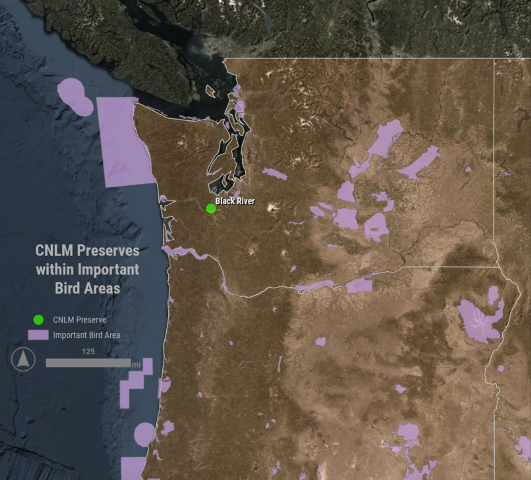 Together, these landscapes support a range of habitats important to birds, including grasslands, wetlands, riparian corridors, coastal sage scrub, and open valley landscapes.
CNLM Executive Director Deborah Rogers noted: “Important Bird Areas highlight landscapes where CNLM helps protect habitats that sustain bird populations that are significant both regionally and globally.”
Through science-based stewardship and conservation easement compliance monitoring, CNLM helps conserve bird populations, their habitats, and the ecological processes that sustain these important landscapes.
++++++++++++++++++++++++++++++++++++++++++++++++++++++++++++++++
Reference for reviewers: https://gis.audubon.org/portal/apps/sites/#/nas-hub-site
Map data reference: https://data-library-audubon.hub.arcgis.com/maps/087b591fd12d4dc482a4d9a3e2b60246/about