

CNLM Receives Prop 1 Grant to Study Water Dynamics in a Rare Desert Oasis
Riverside County, California — June 2026 — One of the Coachella Valley’s most important desert wetlands is the focus of a scientific study initiated by the Center for Natural Lands Management (CNLM) after CNLM staff documented declining water levels and recurring drying events at Simone Pond within its Thousand Palms Oasis Preserve.
Because Simone Pond provides important habitat for the federally and state endangered desert pupfish (Cyprinodon macularius), understanding the cause of these changes became an important conservation priority. To investigate the issue, CNLM partnered with the United States Geological Survey (USGS) and secured funding through a Proposition 1 Local Assistance Grant awarded by the Coachella Valley Mountains Conservancy (CVMC).
A rare desert oasis
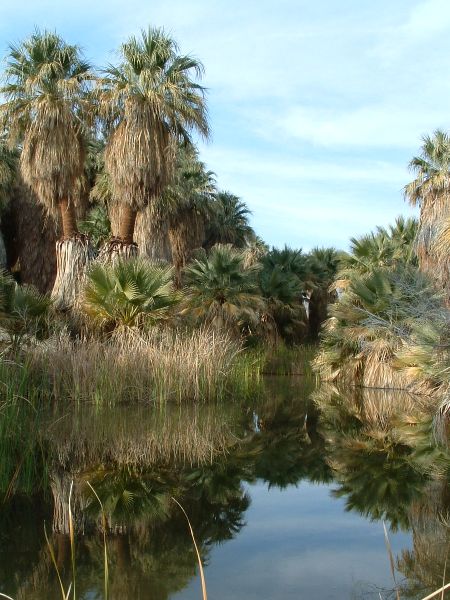 The CNLM Thousand Palms Oasis Preserve protects a unique desert wetland ecosystem sustained by groundwater emerging along the Mission Creek Fault. The Preserve provides habitat for numerous native plant and wildlife species and serves as an important refuge for desert pupfish.
Because desert palm oases are sustained by groundwater, even relatively small changes in groundwater conditions can alter the springs, ponds, and wetlands that provide habitat for specialized plants and animals. Understanding how groundwater and surface water interact is therefore essential to conserving these rare ecosystems.
In addition to its ecological significance, Thousand Palms Oasis Preserve is a popular destination for residents and visitors seeking to experience one of the Coachella Valley’s most iconic natural landscapes. Thousands of people visit the Preserve each year to hike its trails, observe wildlife, and experience a native California fan palm oasis.
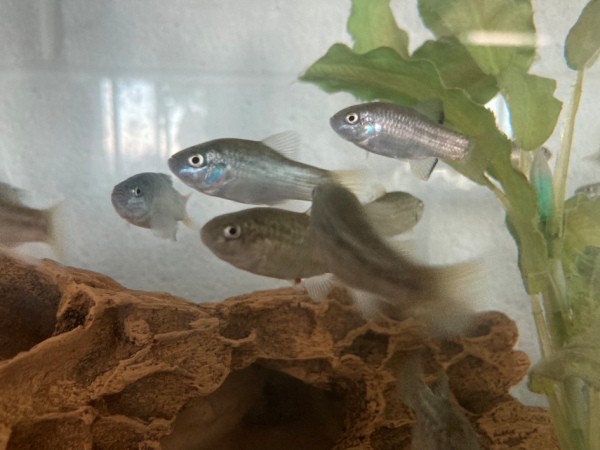
Desert pupfish are highly adapted to harsh desert environments and can survive in water conditions that would be lethal to most fish species. However, the species has experienced dramatic declines throughout its historic range due to habitat loss, water management activities, and the introduction of non-native species.
CNLM staff regularly monitor the Preserve’s desert pupfish population and habitat conditions. Beginning in 2024, staff documented declining water levels and drying in portions of Simone Pond. Similar conditions were observed again in 2025 and 2026, raising concerns about the long-term sustainability of Simone Pond as habitat for the species.
Understanding the causes of water loss
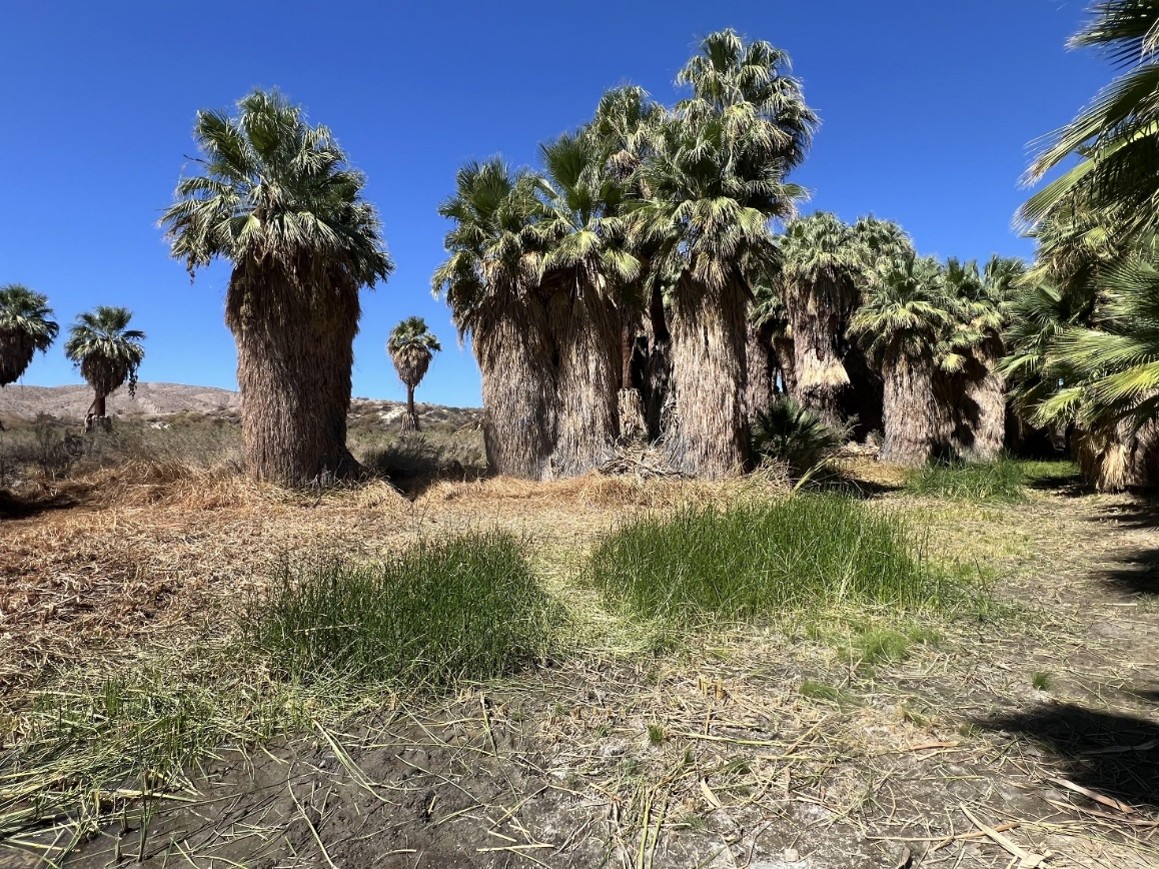 The grant-funded project will investigate the relationship between groundwater and surface water at Simone Pond and surrounding areas of the Preserve. Because relatively little groundwater data are available for this portion of the Coachella Valley groundwater basin, the project will also provide valuable scientific information for future conservation and water management efforts.
CNLM and USGS will install monitoring equipment and collect hydrologic data to quantify groundwater gradients, identify the hydrologic drivers of pond persistence, and establish measurable early-warning indicators of future changes.
This information will serve as a science-based foundation for adaptive management to help guide future management decisions and conservation actions intended to protect desert pupfish habitat and maintain the ecological integrity of the Preserve. This project will also provide a transferable scientific framework applicable to similar systems across the region.
A collaborative conservation effort
 The project reflects a collaborative approach to science-based conservation, combining CNLM’s long-term stewardship of Thousand Palms Oasis Preserve with USGS expertise in hydrology and groundwater systems. The granting agency, CVMC, has long supported conservation and public access projects at Thousand Palms Oasis Preserve and, through a site visit and ongoing coordination with CNLM, helped advance the project from concept to implementation. The California Department of Fish and Wildlife (CDFW), which has long partnered with CNLM in monitoring and conserving the Preserve’s desert pupfish population, also continues to play an important role in the long-term conservation of this unique ecosystem.
The results of this project will contribute to the scientific understanding of desert oasis hydrology and will be publicly available to support future research and conservation efforts. “Understanding the causes of recent water loss at Simone Pond is essential for protecting one of the region’s rare palm oases,” said Lucas Haralson, CNLM Thousand Palms Oasis Preserve Manager.