
American badger observed on Johnson Ranch Preserve in Riverside County for first time in over 25 years!
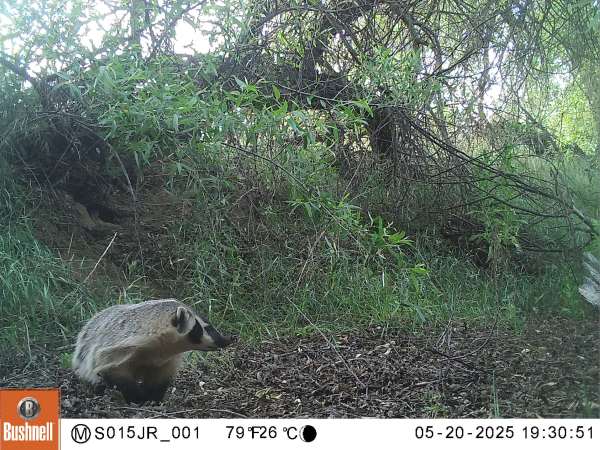
Two American badgers have been observed on Johnson Ranch Preserve—captured not by a staff member’s lucky sighting, but by a quietly watching wildlife camera.
Earlier this year, wildlife cameras captured images of an American badger (Taxidea taxus) after more than 25 years with no observations on the Preserve. During continued deployment of the wildlife camera during spring 2025, the camera then captured video of two badgers together, which a biologist from the U.S. Geological Survey (USGS) hypothesized were likely one soon-to-disperse juvenile with the female, or mom. The sighting is exciting news for CNLM staff and local conservation partners, because badgers are considered a Species of Special Concern in California and have declined across much of their range in Southern California, so much so that USGS is requesting help in reporting any observations (https://www.usgs.gov/centers/werc/science/american-badgers-san-diego-county).
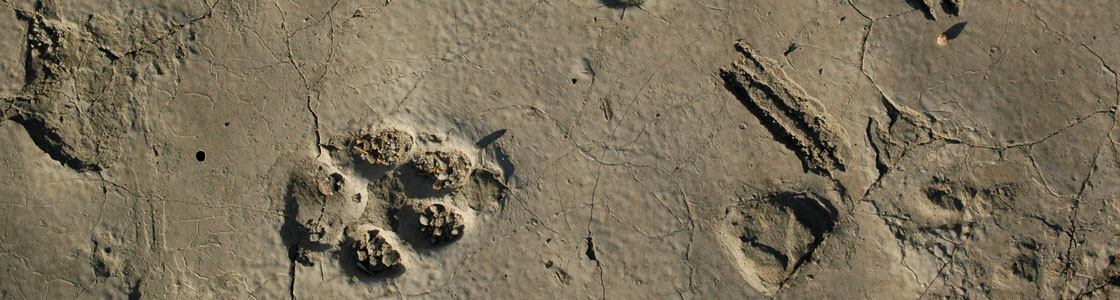
Badgers are wide-ranging, largely nocturnal predators that specialize in hunting burrowing mammals like ground squirrels and pocket gophers. Their secretive, mostly underground lifestyle can make them difficult to monitor with traditional surveys. Wildlife cameras, however, can watch continuously across seasons and at night, quietly documenting species that might otherwise go undetected.
CNLM Preserve Managers are increasingly using camera grids and highway undercrossing cameras to detect elusive carnivores such as badgers, mountain lions, and bobcats, helping staff to confirm which species are still present after long data gaps, track changes in distribution and habitat use over time, and evaluate whether wildlife corridors and protected lands are functioning as intended.
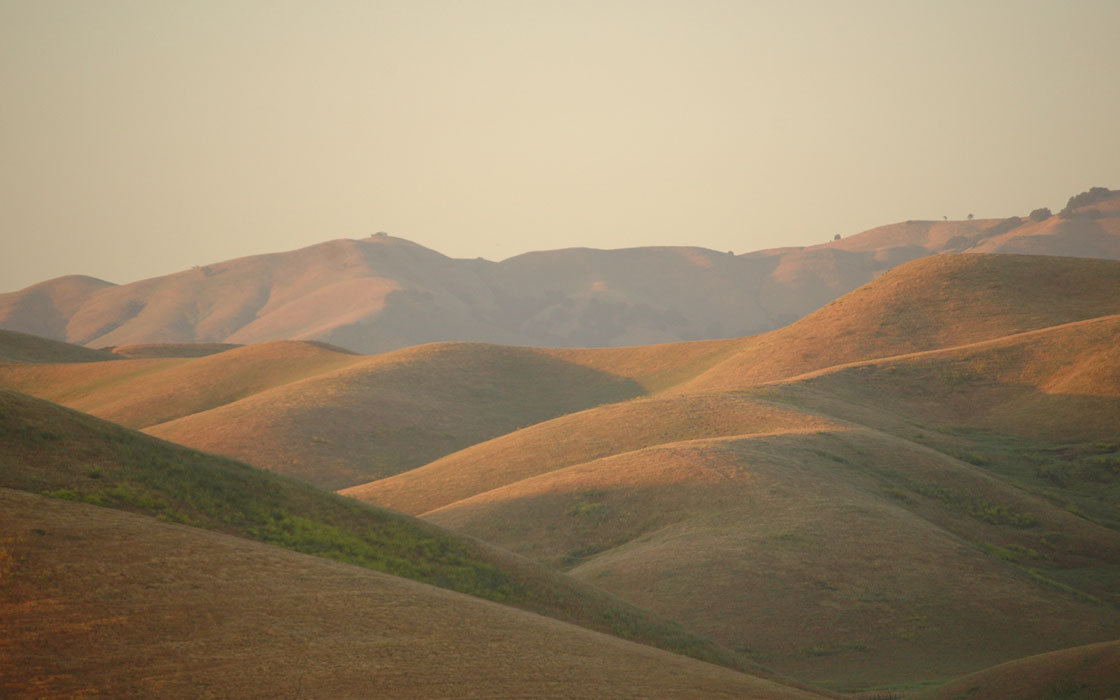
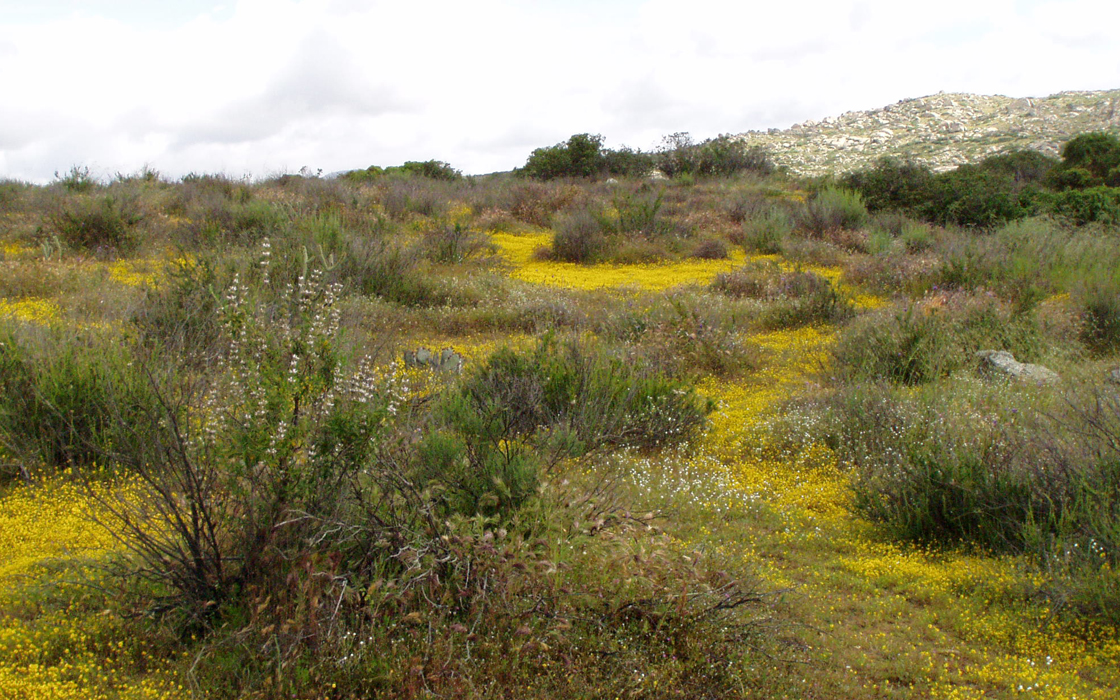
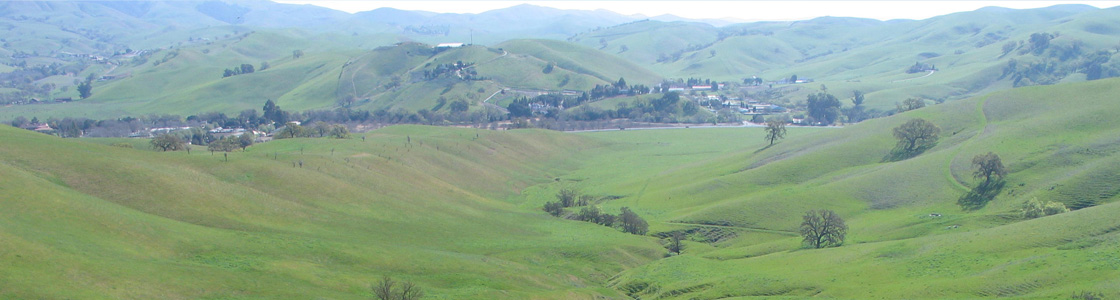
Johnson Ranch Preserve consists of over 900 acres of grassland, sage scrub, and chaparral vegetation communities that support multiple federal- and state-listed threatened and endangered plants and animals and is part of a larger 2000-acre swath of contiguous open space lands. At Johnson Ranch Preserve, the new badger record suggests that these vegetation communities still provide the connected, open habitat this species needs to persist, move across the landscape, and to breed. Badgers can play an important ecological role, including creating burrows that can later be used by other wildlife, including burrowing owls, which have also declined across southern California but are still present in proximity to the Johnson Ranch Preserve.
The detection of these badgers is a reminder that even after decades without observations, sensitive species may still be present—just out of sight. For now, the limited images and video of these two badgers are cause for celebration—and a strong argument for keeping the cameras deployed here and on other preserves as a part of non-invasive monitoring efforts.